
If a campaign you sent last month is quietly landing in spam instead of the inbox, your open-rate dashboard won’t tell you. It just looks like fewer people are interested. Deliverability problems are like this: invisible from inside your own analytics, and usually caused by something that happened weeks earlier — a spike in bounces, a spam-trap hit, or a list that hasn’t been cleaned in a while.
Here’s what actually determines whether your email reaches the inbox, the warning signs worth watching for, and where list verification fits into fixing it.
What Determines Whether Your Email Reaches the Inbox
Inbox providers like Gmail, Outlook, and Yahoo don’t evaluate each email in isolation — they evaluate your sending domain and IP as a whole, based on a mix of signals:
- Sender reputation: a score inbox providers build over time based on your bounce rate, spam complaints, and how recipients engage with your mail.
- Authentication: SPF, DKIM, and DMARC records that prove you’re actually authorized to send from your domain. Missing or misconfigured records are one of the most common reasons legitimate mail gets filtered.
- Engagement: opens, clicks, replies, and how often recipients delete your email without reading it or mark it as spam.
- List hygiene: how many of your sends go to addresses that bounce, no longer exist, or were never real to begin with.
- Content and sending patterns: sudden volume spikes, spammy subject lines, and link-heavy templates can all trigger filters even from a reputable sender.
These signals compound. A clean list with strong authentication and engaged recipients builds reputation over time; a list full of stale addresses erodes it — even if every individual email looks fine.
Warning Signs You Have a Deliverability Problem
A few patterns are worth watching for in your sending platform’s reports:
- Rising bounce rate: a hard-bounce rate creeping above 2–3% usually means part of your list has gone stale since you last cleaned it.
- Falling open rates with no content change: if your subject lines and send times haven’t changed but opens are dropping, mail may be landing in spam rather than simply being ignored.
- Spam complaints: even a small percentage of recipients marking mail as spam can affect how inbox providers treat your entire domain.
- Blocklist appearances: sending IPs and domains can end up on blocklists after sustained high bounce rates or spam-trap hits — worth checking directly if deliverability drops suddenly.
How to Improve Deliverability
- Verify your list before you send, not after. Removing invalid and disposable addresses before a campaign prevents the bounces that damage reputation in the first place.
- Set up SPF, DKIM, and DMARC correctly for your sending domain, and check them periodically — DNS changes elsewhere can silently break authentication.
- Segment by engagement and reduce send frequency to recipients who haven’t opened in months, rather than sending your full list every time.
- Warm up new sending domains or IPs gradually instead of sending full volume on day one.
- Monitor bounce and complaint rates after every send so problems get caught early, not after they’ve compounded.
Where Email Verification Fits In
Most of the deliverability factors above — authentication, content, sending patterns — are things you configure once and maintain. List hygiene is different: it decays continuously as addresses go stale, people change jobs, and typos slip into signup forms. That’s the piece Zuhal is built for.
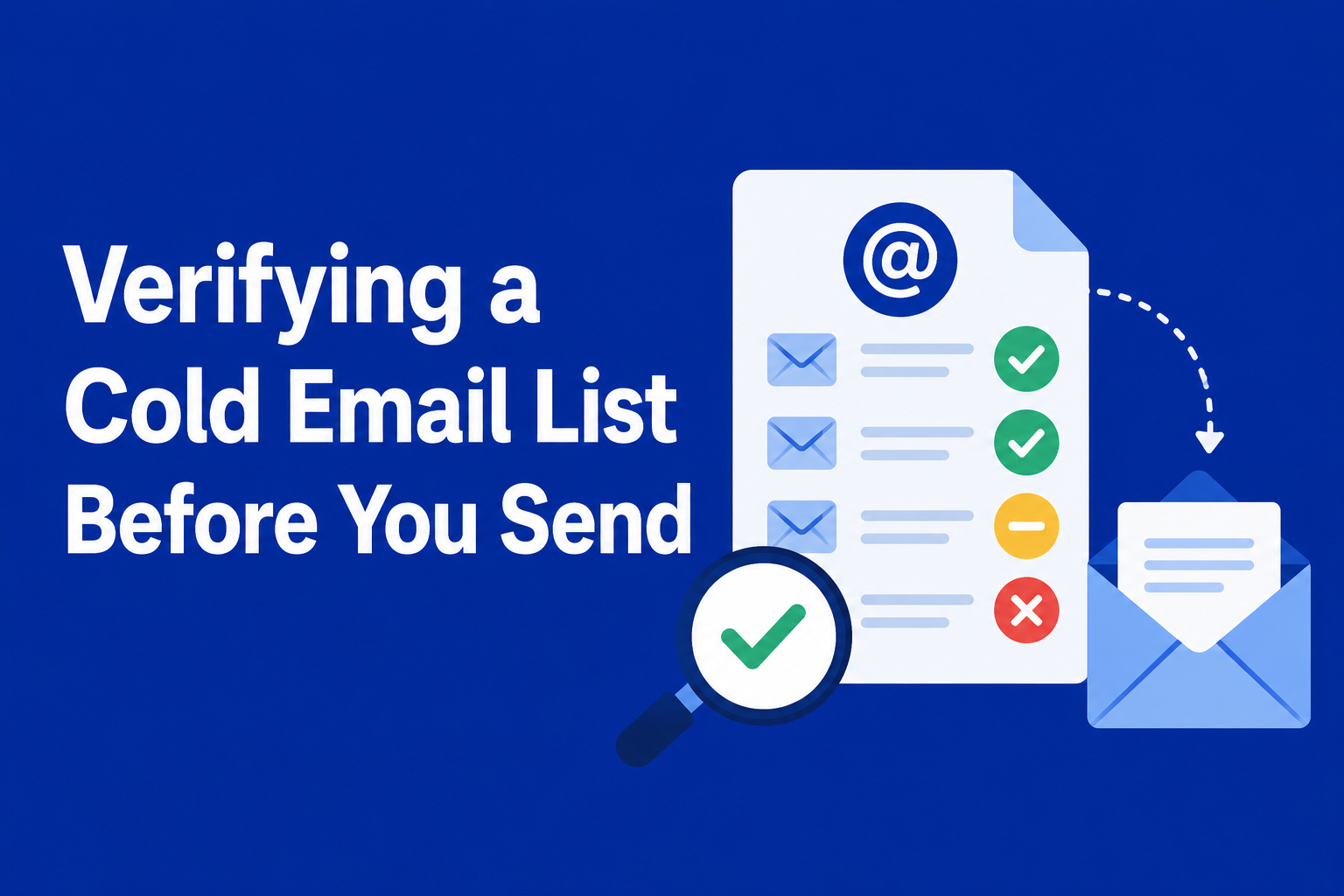
Uploading a list to Zuhal checks every address across syntax, domain and MX records, and mailbox-level signals, then sorts results into five categories — Valid, Invalid, Catch-all, Disposable, and Unknown — so you know exactly which addresses are safe to send to before you send, not after the bounce report comes back. See what counts as a good bounce rate for real benchmark numbers behind that "rising bounce rate" warning sign above. If your contacts already live in a platform like Mailchimp or HubSpot, you can connect it directly instead of exporting a CSV.
For a deeper look at what’s changing in 2025 — stricter authentication requirements from Gmail and Yahoo, and how spam filters increasingly weigh engagement — see Email Deliverability in 2025.
Ready to clean your email list?
Verify up to 100 emails free — no credit card required. Bulk lists, real-time API, instant results.
Get 100 Free Credits →